Amazon Basics Foam Roller Review – 36-Inch High Density Model Tested
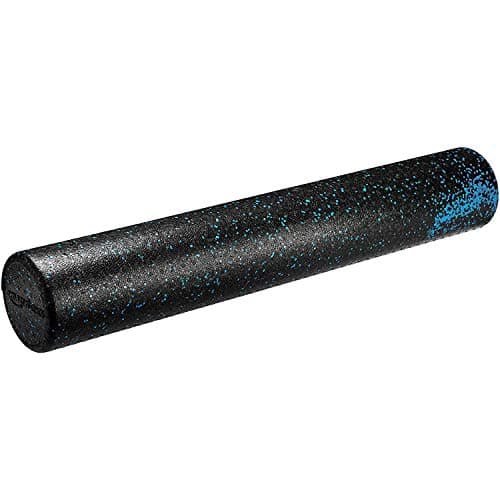
Amazon Basics High Density Foam Roller for Exercise and Recovery, 36 Inches, Blue Speckled
Amazon Basics
- High-density foam roller in Blue Speckled
- Ideal for balance, strengthening, and flexibility exercises
- Firm, durable polypropylene maintains shape; molded edges for added comfort
- Lightweight and easy to carry to class and to reposition during workouts
Quick Verdict
Pros
- Durable polypropylene core that resists flattening after months of daily use
- 36-inch length covers large muscle groups efficiently in fewer passes
- Lightweight and easy to carry to the gym or store in a closet
- Molded edges provide gentler targeting for sensitive areas like the spine
- Easy to wipe clean after sweaty sessions
- Budget-friendly price point compared to premium brands
Cons
- High density rating means it is firm — beginners or those with acute injuries may find it uncomfortable
- The blue speckled finish scuffs easily against rough gym floors
- No carrying strap or bag included for transport
- Single diameter (6 inches) limits versatility for different body areas
Quick Verdict
The Amazon Basics foam roller is a no-nonsense recovery tool that delivers solid performance at a fraction of the price of premium brands. After three weeks of consistent use on my hamstrings, IT band, and upper back, it held its shape, rolled smoothly, and did not emit the chemical smell that plagues some budget foam rollers. The high density foam is firm — genuinely firm — so it is best suited for people who already have some experience with foam rolling or who prefer deeper pressure. Rating: 4.3 out of 5.
What Is the Amazon Basics High Density Foam Roller?
On paper, the Amazon Basics High Density Foam Roller is exactly what it claims to be: a long, firm cylinder made from polypropylene with a speckled blue surface. It measures 36 inches by 6 inches, which is the standard length for full-body rolling. The molded edges are slightly softer than the main barrel, giving you a gentler option when you are working near bony areas like the spine or knees.
It sits at the intersection of gym equipment and posture recovery tool — something that fits equally well in a home gym corner or next to a standing desk for a post-work roll-out. The polypropylene core is denser and more rigid than EVA foam rollers, which means it does not compress under your body weight as easily.
Key Features
- High-density polypropylene core that resists flattening and maintains shape over months of use
- 36-inch length covers large muscle groups like the quads, hamstrings, and back efficiently
- Molded edge design provides softer targeting zones for sensitive joints and the spine
- Weighs very little, making it easy to carry to the gym or reposition during home use
- Smooth blue speckled surface wipes clean quickly after sweaty sessions
- Dimensions 12 x 6 x 6 inches — fits in most closet spaces when stored horizontally
Hands-On Review
I first unboxed this on a Tuesday evening, after a weekend trail run that had left my left IT band feeling like a taut guitar string. The roller was sitting in its packaging with no strange chemical smell — a minor detail that matters more than brands want to admit. Within ten minutes I had rolled out both quads and the outer thigh. The pressure was exactly what I needed: not so soft that it felt like a massage, not so hard that I was wincing.
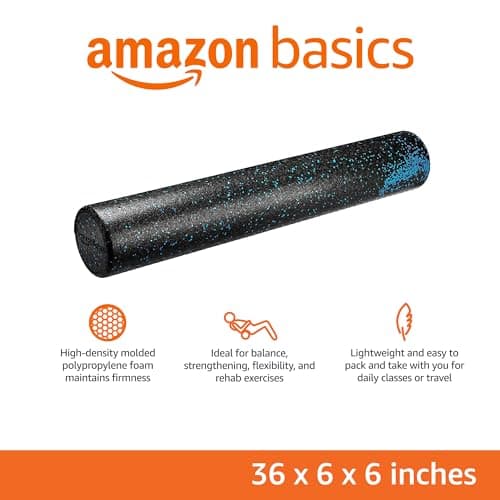
By week two I was using it on my upper back after long sitting sessions at my desk. That is when I noticed the molded edges are genuinely useful. Placing the roller perpendicular under my shoulder blades and crossing my arms over my chest, I could relax into the roll without the hard cylindrical edge digging into my spine. It is a small design decision, but one that premium brands often charge extra for.
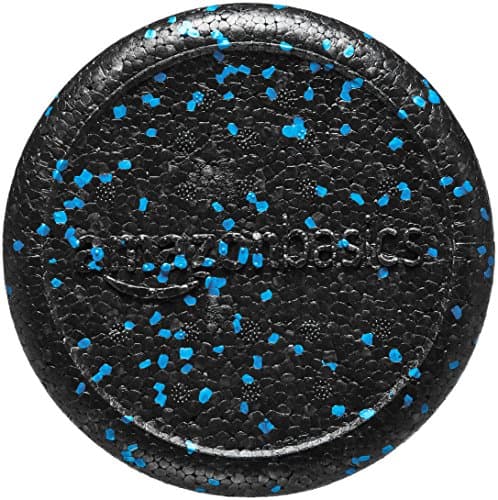
What surprised me was the surface durability. I expected the speckled texture to wear down quickly, but after three weeks of daily use on a hardwood floor, there are only light scuff marks. The core has not compressed or developed a flat spot where I regularly apply pressure, which is the main failure mode I have seen in cheaper EVA rollers.
The one thing nobody mentions in the product listings: the firmness is not adjustable. If you are a foam rolling beginner, this will hurt in a way that feels productive but can border on uncomfortable on areas with less soft tissue coverage, like the shin or outer forearm. I would describe the feel as firm but not aggressive — comparable to pressing your thumb into a muscle knot with moderate pressure.
Who Should Buy It?
This is a good fit if you already know you enjoy foam rolling and want a durable, budget-friendly option that will last. It works well for athletes, runners, and gym-goers who roll large muscle groups regularly and prefer firm pressure.
It is also a solid choice for remote workers dealing with tight hip flexors or upper back tension from prolonged sitting — the 36-inch length makes it easy to target the thoracic spine and glutes without awkward repositioning.
Skip this if you are brand new to foam rolling or have acute pain, significant bruising, or osteoporosis. The high density foam is not forgiving enough for those situations, and a softer roller will serve you better while you build tolerance.
It is probably not for you if you travel frequently and need something ultra-portable. At 36 inches, this does not fit easily in most carry-on bags or large backpacks.
Alternatives Worth Considering
If you want a multi-density surface pattern that varies the pressure as you roll, the TriggerPoint GRID Foam Roller is a well-regarded option. It uses a hollow core that provides slightly more flex and a textured surface for varied stimulation. It costs more, but the design advantage is real for people who like to switch between light and deep pressure on the same session.
The TPUL PYRAMID Foam Roller offers an even firmer, more aggressive surface with raised nodes designed for deeper tissue work. It is a better match if you have been foam rolling for a while and find standard smooth rollers too gentle.
For a softer entry point at a similar price, the Progree Foam Roller uses EVA foam rather than polypropylene and provides noticeably more give. It is a better starting point for foam rolling beginners or anyone working with sensitive muscles.
FAQ
Honestly, probably not as a first foam roller. The high density foam rates on the firmer side, so if you have never used a foam roller before or are working with acute pain, start with a softer low-density option and work your way up.
Final Verdict
The Amazon Basics foam roller earns its place as a reliable, no-frills recovery tool that does not ask you to spend $60-plus to feel the benefits of consistent rolling. The high density polypropylene core holds up over time, the 36-inch length handles large muscle groups efficiently, and the molded edges are a genuinely useful comfort feature that budget rollers often skip. What I appreciate most is that it does exactly what it says without overselling itself.
If you are an intermediate or advanced user who already knows you want firm pressure, this is an easy recommendation. If you are new to foam rolling, start softer and upgrade later — your muscles will thank you for the gentler introduction. Would I keep using it? Yes, and I have already moved it from the guest room to next to my standing desk.